17 May 2026,
Sunday
17 May 2026,
Sunday
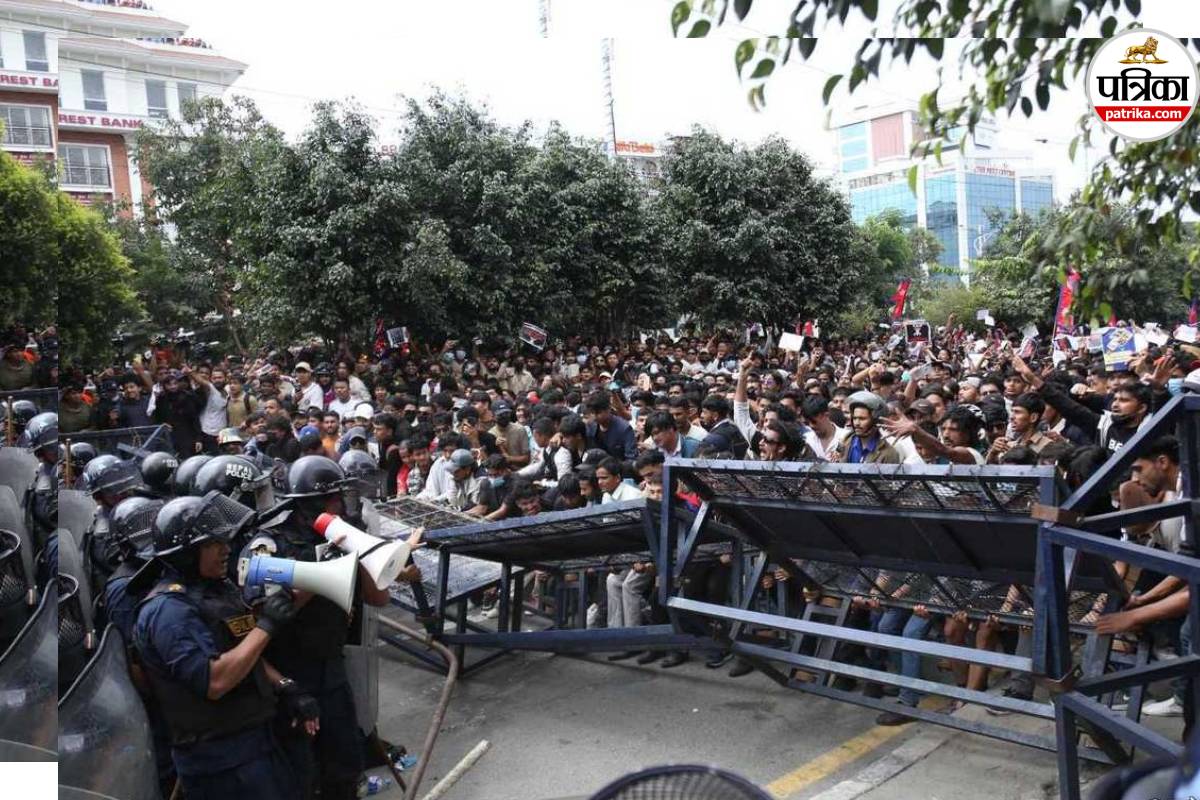
Image: X Handle Mritunjay Kumar
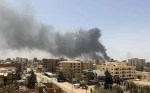
Protesters stormed Nepal's parliament and set fire to the gates on September 8th, 2025. Violent demonstrations erupted in several cities, including Kathmandu, with clashes between protesters and police. According to the Kathmandu Post, police used batons and tear gas. A curfew was imposed, and police firing resulted in 14 deaths and over 170 injuries. The social media ban imposed in Nepal is not being accepted by the people, leading to widespread public discontent. Note that large-scale protests have been taking place outside the parliament in Kathmandu for the past few days. Protesters vandalised property outside parliament and set several places on fire. Police responded with tear gas and rubber bullets.
According to the Kathmandu Post, this protest, led by Generation Z, against government decisions on corruption and the ban on social media platforms, has moved from the digital space to the streets. Thousands of young people took to the streets of Kathmandu. Hundreds of protesters stormed the Nepalese parliament complex and caused widespread damage. In response, police fired tear gas and used water cannons.
These protests are against the government's decision to ban 26 unregistered social media platforms, including Facebook, Instagram, WhatsApp, YouTube, and Snapchat. A curfew has been imposed in Kathmandu, and security has been significantly tightened. This movement has been dubbed the "Gen Z Revolution," involving young people, particularly students and the younger generation. These protests began when the K.P. Sharma Oli government banned social media platforms last week.
Initially, the movement was limited to online discontent and debate, but it quickly escalated from the digital space into large-scale anti-corruption protests on the streets. From 9 am on Monday, protesters gathered in Kathmandu's Maitighar to express their dissent. It is noteworthy that in recent times in Nepal, hashtags like 'Nepo Kid' and 'Nepo Babies', targeting nepotism, have been trending online. This intensified after the government's decision to block unregistered platforms.
According to the Kathmandu District Administration Office, the rally was organised by ‘Hami Nepal’, which had obtained prior permission. Sudhan Gurung, the group's chairman, stated that the protest is against government actions and corruption, and similar demonstrations are occurring nationwide. Reports indicate that the protests have spread to Biratnagar, Butwal, Chitwan, Pokhara, and other cities, where young people expressed their anger against corruption and the nationwide social media shutdown.
The protests intensified when demonstrators infiltrated restricted areas. Police had initially set up barricades, but protesters broke them down. Some protesters even entered the parliament building complex in New Baneshwor. Following clashes between the administration and students, a curfew was imposed, effective from 12:30 pm to 10 pm on Monday. The curfew's scope gradually expanded, eventually sealing off all of Kathmandu.
The Nepalese government has banned several social media sites, including Facebook, YouTube, and X (formerly Twitter). This has angered the public, especially young people, who are now taking to the streets to protest and denounce the decision.
Several clashes occurred between police and the public during the protests. Police used batons and tear gas to control the situation. Despite this, the number of protesters remains high, and they are intensifying their protests and appealing to the government to meet their demands.
Actors Madan Krishna Shrestha and Hari Bansha Acharya publicly expressed their support on Facebook. Acharya highlighted the recent deterioration of a newly constructed road, writing, "I used to wonder how this road could deteriorate so quickly. But today's youth do more than just wonder. They ask questions. Why did it break? How? Who is accountable?" This exemplifies the issues raised by this generation. The voices we hear today are not against the system, but against the actions of the leaders and officials responsible for it. Shrestha also wrote that dissenting voices have been suppressed, nepotism and favouritism are rampant, and the lust for power is unchecked. Every day, thousands of young people are forced to work abroad. Corruption has reached alarming levels.
Even Mother Nepal seems to be weeping. Singer and actor Prakash Saput, actor and director Nischal Basnet, actress Barsha Raut, actors Anmol KC, Pradeep Khadka, Bholaraj Sapkota, Barsha Shivakoti, and singers Alina Chauhan, Rachana Rimal, and Samikhya Adhikari also expressed solidarity with the youth and urged participation in the movement. Other artists are also publicly supporting the protests.
The intrusion into and violence within Nepal's parliament has elicited strong reactions from the general public, political experts, and youth organisations. Sagar Thapa, a student leader at Kathmandu University, stated: “This is not just opposition to the social media ban; it's a response to attempts to suppress the youth's voice.”
Human rights activist Maya Shrestha said: “Firing on peaceful protesters is an insult to democracy.” People are continuously posting against the government on social media, although most platforms have already been blocked.
The Nepalese government has indicated that it may reconsider its decision to ban social media, but no official announcement has been made yet.
International human rights organisations have urged the Nepalese government to provide a "balanced and democratic response". Opposition parties may soon demand a special parliamentary session.
According to sources in the Prime Minister's Office, the curfew and army deployment will continue until the situation is brought under control.
The intense protests in Nepal are not solely due to the social media ban. They also reflect simmering anger against corruption, unemployment, and the government's authoritarian style.
The protests largely involve Generation Z (16-25 years old), who are advocates for digital freedom.
A group of Nepali media outlets reported that the protesters who entered parliament were unarmed, but the government labelled them as "traitors".
The question now is how the government will handle this situation. Will the curfew and army deployment restore peace, or will the protests intensify? It remains to be seen what steps will be taken regarding the social media ban.
Big News
View AllWorld
Trending