16 May 2026,
Saturday

16 May 2026,
Saturday
(Source: X /Madhurendra kumar)
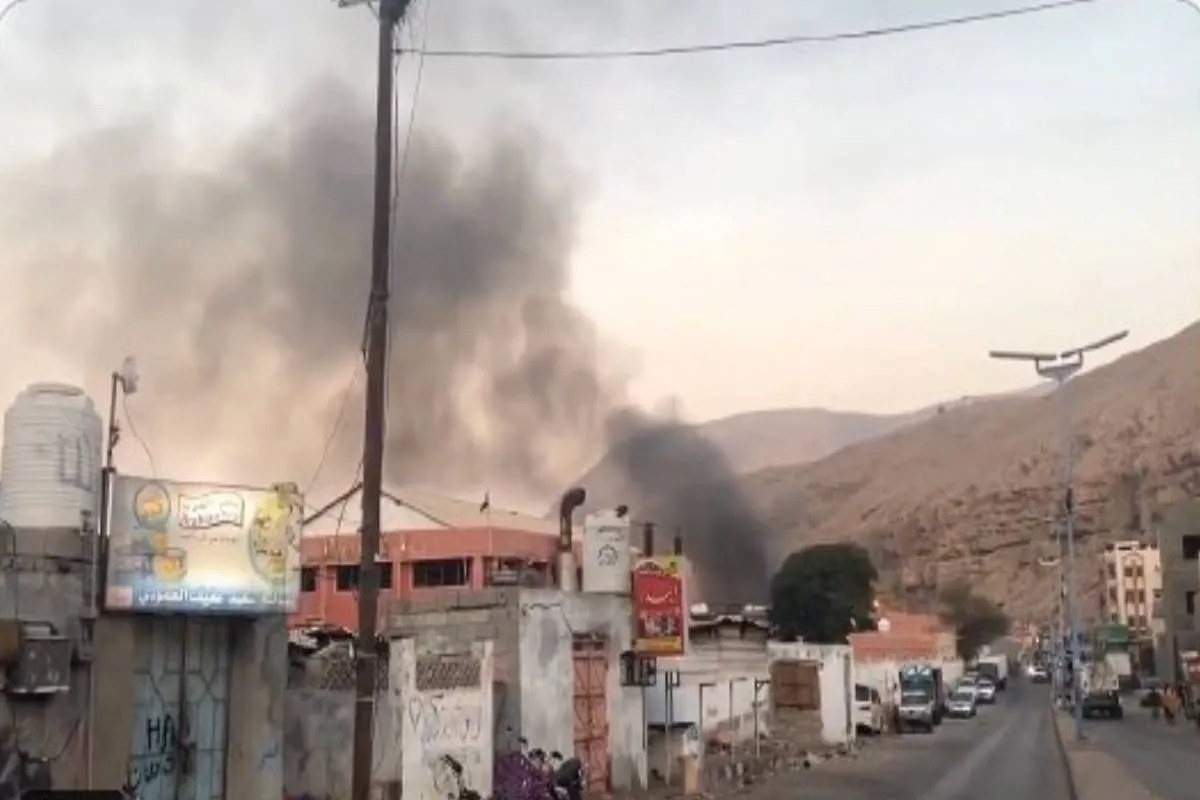
The ongoing conflict in Yemen has taken a new turn with a deep rift emerging between Saudi Arabia and the United Arab Emirates (UAE). Both Muslim nations support different factions in Yemen, leading to a highly tense situation. Recently, the Saudi-led coalition conducted airstrikes on a Yemeni port, after which UAE forces were ordered to leave the country within 24 hours. This dispute began with the Mukalla Port attack. Saudi Arabia alleges that the UAE sent weapons and armoured vehicles on two ships destined for the Southern Transitional Council (STC), a southern separatist group. These ships had deactivated their tracking systems. Saudi Arabia declared this a threat to its security and warned civilians before the strikes. The arms consignment was destroyed in the attacks.
The Saudi-backed Presidential Leadership Council (PLC) of Yemen cancelled its security pact with the UAE and issued an ultimatum for UAE forces to vacate Yemen within 24 hours. The PLC stated that the UAE is undermining the country's unity by supporting separatists. The STC recently seized control of the oil-rich provinces of Hadhramaut and Mahra, which border Saudi Arabia.
The UAE refuted these allegations, claiming the vehicles on the ships were solely for their counter-terrorism forces. The UAE attempted to de-escalate tensions by emphasizing regional stability. Subsequently, the UAE announced its decision to withdraw its remaining troops from Yemen. This public spat between the two nations is rare, given their alliance within the Gulf Cooperation Council.
The roots of this tension lie in Yemen's civil war. Saudi Arabia desires a unified Yemen and supports the PLC in its fight against the Houthi rebels. Conversely, the UAE has been backing the southern separatists who aim to establish South Yemen as an independent nation. Some reports also mention Israel's potential role, as the independence of South Yemen could strengthen control over the Red Sea.
This incident has impacted regional stability, with stock markets in Gulf countries experiencing a decline as investors worry about oil supply and the prospect of a new conflict. Neighbouring countries like Oman have appealed for peaceful negotiations. Experts believe this dispute could further derail the peace process in Yemen.
While the leaders of both countries have remained silent publicly, behind-the-scenes discussions are likely underway. The Yemeni population is already grappling with war, poverty, and a humanitarian crisis. This new dispute further complicates the situation. The coming days will reveal whether Saudi Arabia and the UAE can resolve their differences or if a new conflict will erupt in Yemen.
Saudi Arabia deemed the UAE's actions a red line and took strong action. The UAE denied the accusations and announced the withdrawal of its forces. International concern has been voiced, and Gulf markets have been affected. Attention will be focused on whether the UAE forces are indeed withdrawing. Dialogue between the two countries could ease tensions. The activities of the STC in Yemen and Saudi Arabia's reaction will determine the future course of events.
Ultimately, this is not just a matter concerning Yemen but also the regional balance of power. Saudi Arabia seeks unity, while the UAE supports separatism. The strategies of Israel and the Red Sea are also playing a role behind the scenes.
Big News
View AllWorld
Trending