21 April 2026,
Tuesday


21 April 2026,
Tuesday
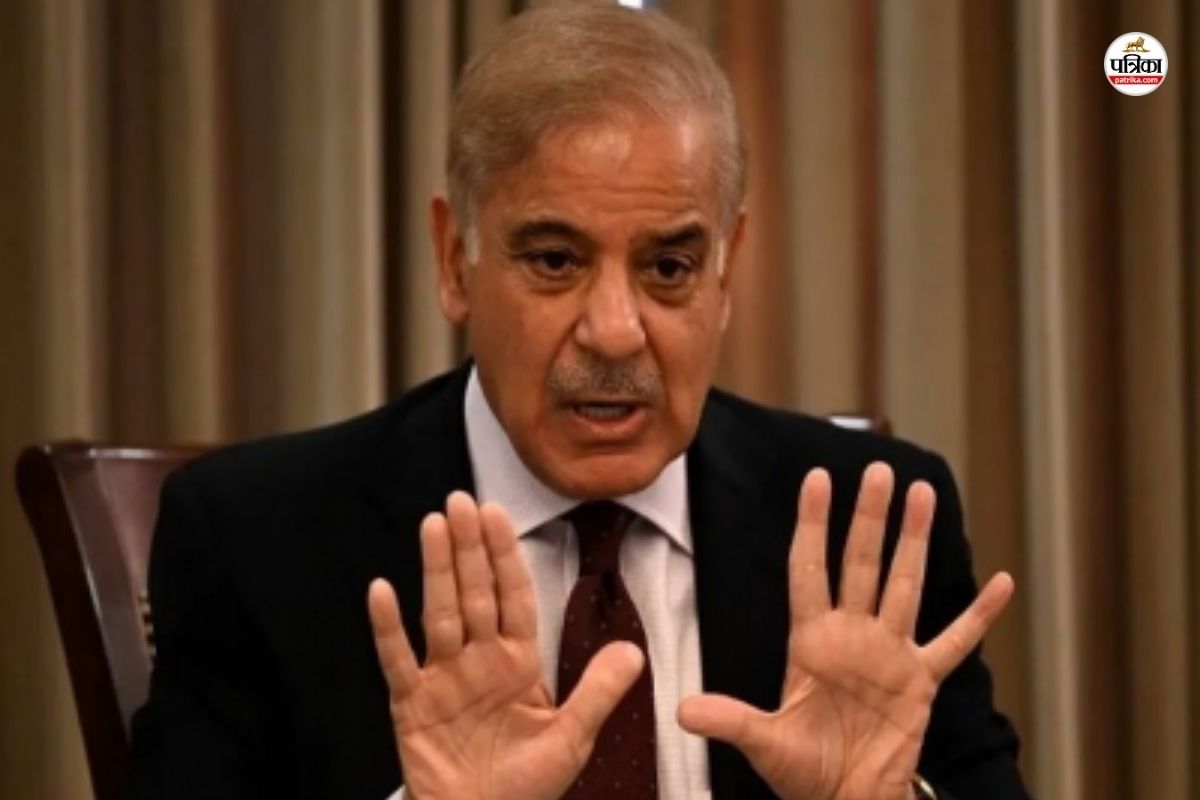
Pakistan Prime Minister Shehbaz Sharif. (Photo: IANS)
A demand was made in Pakistan to reduce the GST (Goods and Services Tax) on condoms and other contraceptive items, which has been directly rejected by the IMF (International Monetary Fund).
Pak PM Shehbaz Sharif had appealed to reduce the 18 per cent GST on condoms, but the IMF did not pay heed to any of his requests. This led to Shehbaz being humiliated in front of the world.
Rejecting the Pak PM's demand, the IMF stated that tax relief in the middle of the current financial year is not possible, especially when Pakistan is struggling to meet its revised revenue targets. The IMF also rejected the proposal to reduce GST on sanitary pads and baby diapers.
Pakistan currently has to comply with the IMF's directives on every matter. This is because its economy is in a severe crisis. Pakistan has taken a significant loan from the IMF but has not been able to achieve economic reforms.
The IMF has set several conditions for providing loans to Pakistan, including reforms in economic policies, increasing taxes, and reducing electricity subsidies. Pakistan has to accept the IMF's conditions because it has no other option.
The situation is such that the Pakistan government cannot make any major financial decisions without the IMF's approval. In Pakistan, there is an 18 per cent GST on condoms, which increases their price to such an extent that the common man cannot afford to buy them.
Pakistan's economic situation is very poor. The country's total public debt had reached $286.83 billion (PKR 80.6 trillion) by June 2025, which is approximately 70 per cent of the country's GDP. Pakistan's GDP growth is estimated to be 2.7 per cent in 2025, slightly higher than last year's 2.6 per cent.
Just a few days ago, the IMF imposed 11 new conditions on Pakistan under its $7 billion bailout program, citing corruption. This is expected to curb corruption in Pakistan to some extent.
```
Big News
View AllWorld
Trending