28 December 2025,
Sunday


28 December 2025,
Sunday


CG News: In Raipur, Chhattisgarh, women have surpassed men in obesity rates, according to the National Health Survey 2015-16. While subsequent health surveys have been conducted, they haven't specifically addressed obesity. Urban residents are more prone to obesity than their rural counterparts, a trend that continues to this day. Urban women, in particular, exhibit higher obesity rates than men.
Obesity is a growing problem not only globally and nationally but also within the state. It is defined as being significantly overweight compared to standard weight charts. March 4th is World Obesity Day. On this occasion, Patrika spoke with experts to understand what obesity is and its harmful effects. Excessive weight is detrimental to health.
Doctors report seeing patients from all socioeconomic backgrounds suffering from obesity in hospital outpatient departments (OPDs). Common comorbidities include diabetes and high blood pressure. Many also have high cholesterol, and some have even undergone angioplasty. Doctors advise these patients to lose weight and modify their diets. Obesity can lead to liver, kidney, and heart disease.
Dr. Sunil Khemka, Director of Shri Narayana Hospital, stated that obesity can weaken bones, reducing bone density and compromising their structure. It can also lead to calcium and other mineral deficiencies, increasing the risk of fractures and joint pain, as well as nerve compression.
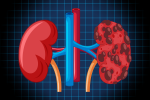
Dr. Yusuf Memon, Director of Sanjeevani Cancer Hospital, explained that excess body fat increases the risk of various cancers, including those of the oesophagus, breast, liver, gallbladder, kidney, bowel, pancreas, and uterus. Obesity significantly raises the risk of kidney cancer. Increased insulin in the pancreas can cause uncontrolled cell growth.
Obesity is defined as being significantly overweight for a given height. According to the World Health Organization (WHO), a Body Mass Index (BMI) over 25 is considered overweight, over 30 is considered obese, and over 40 is classified as morbid obesity. Genetic, hormonal, and environmental factors can contribute to obesity. Prevention strategies include a balanced diet, increased physical activity, reduced calorie intake, and increased consumption of fruits and vegetables.
Big News
View AllHealth
Trending
Lifestyle