14 October 2026,
Wednesday

14 October 2026,
Wednesday
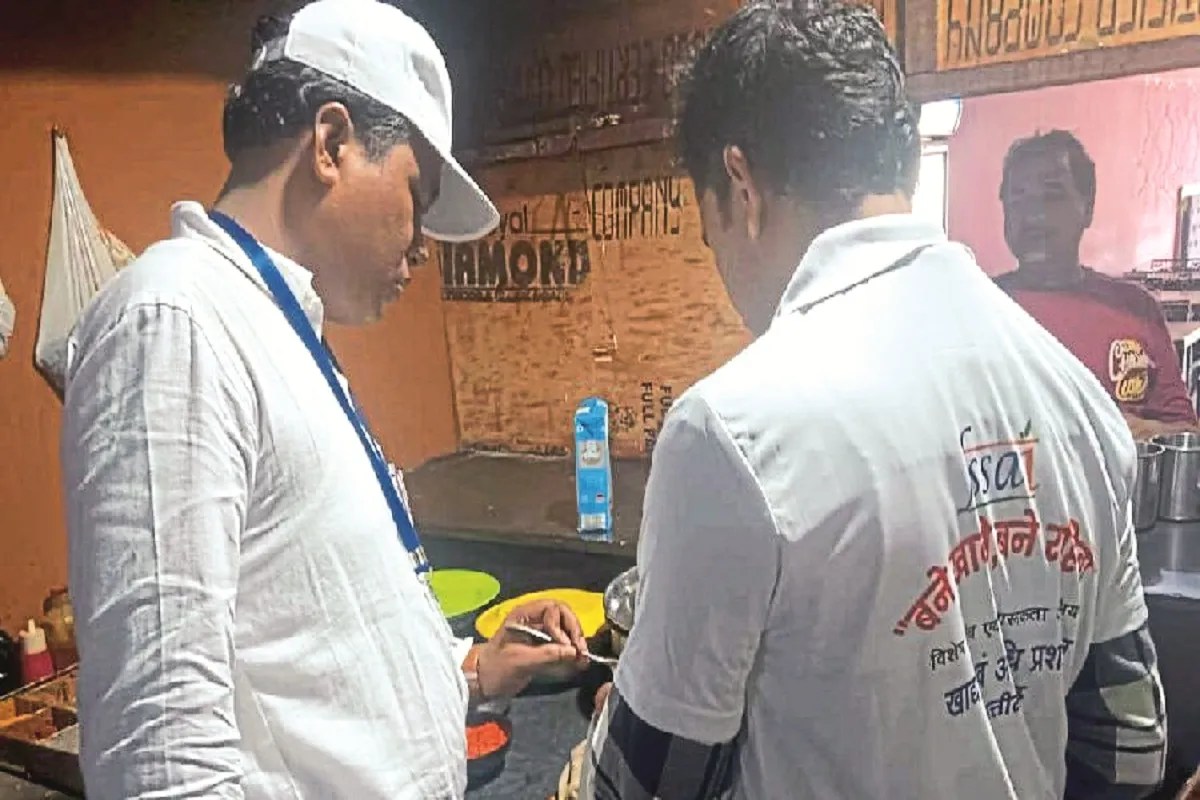
Food safety department keeps an eye on online food delivery. (Photo: Patrika)
Mahasamund: Food ordered online reaches homes with a few clicks on a mobile phone. But consumers cannot check the quality of the items or the conditions in which they are stored. This matters during the festive season, when many people order food online. With this in mind, the Food Safety and Drug Administration department has prepared to inspect online food delivery companies, e-commerce platforms and their warehouses.
An intensive drive will be run to check the quality of food items, the information given on packets and compliance with rules. Complaints about stale food, insects in packets and wrong orders will form the basis of the inspections.
Checks not limited to delivery of ready-to-eat food
The department will not limit its attention to the delivery of ready-to-eat food. Labelling will also be checked. Many products claim to be pure, natural or healthy, and these claims will be examined. Officials will check whether the packet carries the manufacturing or packing date, the last date of use and food safety licence details.
Arrangements for storing food items in warehouses, and the steps taken to maintain their quality, will also come under the inspections. Demand for sweets, namkeen, packed food items and ready-to-eat food rises until Diwali.
Online buying has expanded
Online ordering has widened the scope of buying. The inspections will check where food items are kept and in what condition, how safe their quality is, and whether the necessary precautions were taken in packing and transport before the items reach the customer.
Umesh Kumar, an official of the Food Safety and Drug Administration department, said strict action is being planned for food items sold online as well. Warehouses will be inspected intensively.
Compliance with rules is a must
Hygiene rules must be followed while storing, transporting and delivering food items. An advisory issued by the Food Safety and Standards Authority of India (FSSAI) on 3 December 2024 states that online food businesses must ensure that, at the time of delivery, a product has at least 30 per cent of its shelf life remaining, or 45 days before expiry, whichever is less.
Caution needed
Caution is also needed when non-food items that attract children are kept with food. Items such as toys, small plastic containers or coin-like objects can be dangerous if they are placed with food in a way that a child may mistake them for something edible. There is a risk of children swallowing such objects or getting them stuck in the throat. Packets should be opened with care.
Claims on packets will also be checked
Food items are sold as "100 per cent pure", "natural", "fresh" and "beneficial for health". Many products also carry claims such as "healthy for the heart" and "multigrain". Such claims assure customers about the quality and nutritional features of a product.
Under FSSAI rules on advertising and claims, claims made about food items must be true, clear and not misleading. Information given on an online platform must also match the actual label on the product. Consumers can report such problems on the national toll-free number 1800112100, on the FSSAI online complaint portal or on the consumer helpline.
Five things not to ignore
Check the FSSAI logo and licence number on the packet. The licence number is generally 14 digits long. "Best before" indicates the period for which the quality of the product is maintained, while "expiry" or "use by" means the last date for consumption. Do not treat the two as the same.
Do not consume the item if the packet is open, the seal is broken or the contents have an unusual smell. Complain to the food safety department. Do not consider a product safe only because it carries words such as "natural", "pure" or "healthy".