24 October 2026,
Saturday

24 October 2026,
Saturday
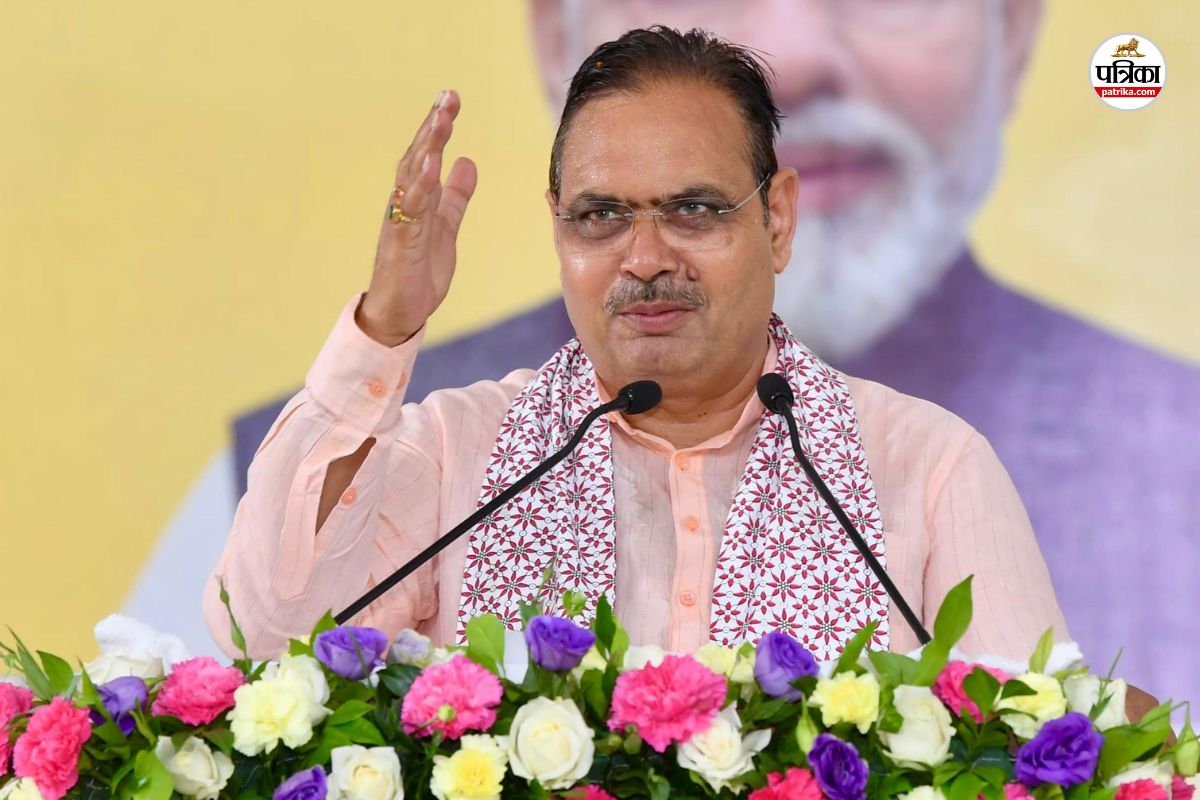
Rajasthan Township Policy: Jaipur. The Rajasthan government has approved the new Township Policy-2024, a landmark step towards accelerating urban development in the state. The policy was approved in a cabinet meeting chaired by Chief Minister Bhajan Lal Sharma, and will provide decisive momentum towards the state's goal of 'Developed Rajasthan-2047'.
This policy is not only designed to provide residents with a better lifestyle but also has a comprehensive plan to attract investment, develop industrial areas, and create new employment opportunities. The policy ensures the inclusion of green development, energy conservation, water management, social justice, and infrastructure.
Under the new township policy, 7% of the land in all schemes will be reserved for parks and playgrounds, and 8% for amenity areas (such as schools, hospitals, community centres, etc.). This provision will provide residents with a better, healthier, and more organised lifestyle. Sustainable facilities such as rainwater harvesting and wastewater management are also mandatory.
The policy has reserved plots for the Economically Weaker Section (EWS) and Low Income Group (LIG), which will be allocated transparently by local bodies. Furthermore, there is a provision for the construction of housing in at least 5% of the area in industrial zones for workers, enabling them to find accommodation near their workplace and improving their efficiency.
The policy stipulates that the developer must take responsibility for the maintenance of development works for 5 years after the completion of any township scheme, or 2.5% of the land will remain mortgaged with the government until responsibility is handed over to the RWA (Residents Welfare Association). This will ensure better and accountable services for consumers.
Considering the limited availability of land, the new policy promotes multi-storey (vertical) buildings. Plans will also be developed for flats, group housing, mixed land use, commercial spaces such as sub-city centres, district centres, and community centres, leading to the development of smart and efficient cities.
Special provisions have been made for the construction of sector roads to facilitate urban commuting. Additionally, the policy has defined minimum buffer zones around rivers, lakes, drains, and other water bodies to ensure the conservation of natural resources. Furthermore, technical barriers to setting up solar and wind power plants have been removed to promote green energy.